
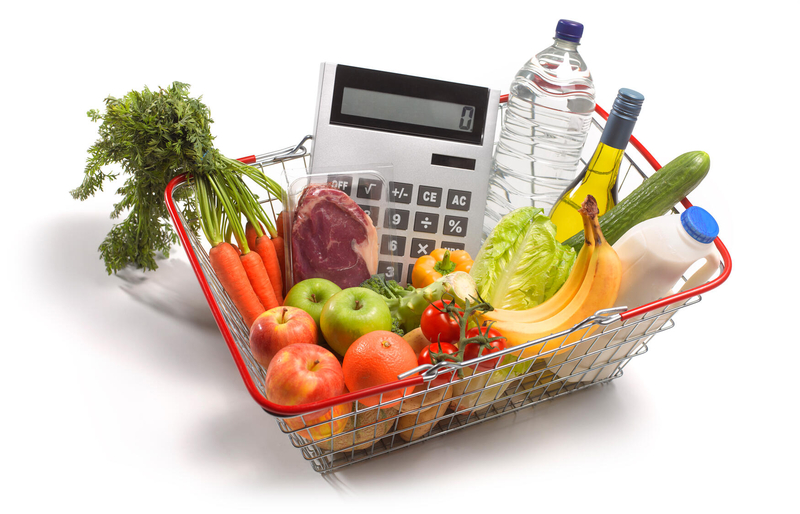
The Body As a Temple, Even on a Tight Budget
"Do you not know that your body is a temple of the Holy Spirit within you, whom you have from God?" (1 Corinthians 6:19). Many of us hold onto this truth spiritually, but when the market prices climb and the cedi stretches thinner each month, honouring our bodies with good nutrition can feel like a luxury reserved for those with deeper pockets. The good news, beloved, is that healthy eating on a budget in Ghana is not only possible, it is often what our grandmothers practised without even calling it a "diet plan." It's about wisdom, planning, and gratitude for what God has already placed within our reach.
This article shares practical nutrition tips that honour both your wallet and your wellbeing, so you can care for the temple God has entrusted to you without financial stress.
Start With What's Local and In Season
One of the simplest ways to eat healthily without overspending is to embrace local, seasonal produce. Imported fruits and packaged snacks often carry a heavier price tag and, frankly, fewer nutrients than what grows right here in Ghana. Kontomire, garden eggs, okro, plantain, cocoyam, and a variety of leafy greens are affordable, nutrient-dense, and deeply rooted in our culinary heritage.
When you shop at your local market rather than the supermarket, you'll often find fresher produce at a fraction of the cost. Buying tomatoes, onions, and peppers in bulk during their season and preserving some (through drying or freezing) can also help you avoid the price spikes that come during off-season months.
Beans, Legumes, and Groundnuts: Protein Without the Price Tag
Protein is essential for strength and healing, but meat and fish prices in Ghana have risen steadily. Thankfully, Scripture reminds us that God provides in creative ways, and legumes are one of His quiet blessings. Beans (red or black-eyed), lentils, and groundnuts offer excellent protein at a fraction of the cost of meat.
A simple bowl of waakye, gari and beans (gari fortor), or red-red made with ripe plantain and beans stew can be just as filling and nutritious as a meat-heavy meal, often costing far less. Adding a boiled egg here and there gives you extra protein without straining your budget.
Buy in Bulk, Cook in Batches
Buying staples like rice, gari, beans, and grains in bulk from a trusted supplier or market association can significantly cut costs compared to purchasing small quantities repeatedly. Pair this with batch cooking — preparing a large pot of stew or soup that lasts for several meals — and you'll save both money and time, which is a gift especially for busy parents and working professionals.
This principle of intentional planning mirrors what we discussed in our piece on work-life balance for Christian professionals in Ghana — when we plan ahead in one area of life, we free up peace and margin in others. A well-planned kitchen is a form of stewardship, not stress.
Reduce Waste, Increase Gratitude
Proverbs 21:20 tells us, "The wise store up choice food and olive oil, but fools gulp theirs down." Wisdom in eating isn't only about what we buy, but how we manage it. Many Ghanaian households lose money through food spoilage — vegetables left too long, leftovers thrown away, or overbuying perishables.
Try these habits:
- Store leftover soups and stews in the fridge or freezer for later use rather than letting them go bad.
- Use vegetable peels and scraps (like plantain peels or cocoyam leaves) creatively where safe and appropriate, or compost them for a home garden.
- Plan your meals for the week before shopping, so you buy only what you need.
Gratitude transforms the way we see our food. When we thank God before each meal, we're reminded that even simple, budget-friendly dishes are a gift, not a lesser option.
Watch Out for Hidden Health Costs in "Cheap" Convenience Foods
It can be tempting to reach for instant noodles, sugary drinks, or processed snacks because they seem cheaper and quicker. But these often come with hidden costs to our long-term health — high sodium, sugar, and preservatives that contribute to conditions like hypertension and diabetes, which are becoming increasingly common across Ghana.
As highlighted in the warning from Nova Wellness Center about microplastics silently damaging our cells, what we consume regularly matters more than we often realise. Choosing whole, minimally processed foods — even simple ones like boiled yam with garden egg stew — protects your health in ways that pay off far beyond the grocery bill.
Grow What You Can
If you have even a small piece of land or space for pots on a balcony, growing your own vegetables like tomatoes, peppers, or okro can meaningfully reduce your grocery spending over time. Beyond the financial benefit, there's something spiritually grounding about tending to a small garden — a quiet reminder of Genesis 2:15, where God placed man in the garden "to work it and take care of it."
Even a modest herb garden with basil or mint can add flavour to your meals without the need for expensive seasoning cubes or sauces.
Involve the Whole Family in Meal Planning
Budget-friendly eating becomes easier and more joyful when the whole household is involved. Let children help wash vegetables or measure rice; let your spouse contribute ideas for stretching the week's ingredients creatively. This shared responsibility not only eases the load on one person but also teaches children valuable lessons about stewardship and contentment from a young age.
These lessons align beautifully with what we've shared in our screen time and digital age parenting guide — intentional, hands-on family time, whether around a screen or a cooking pot, shapes character and connection.
Eating Well Is an Act of Worship
Ultimately, healthy eating on a budget in Ghana isn't just a financial strategy; it's an act of worship. When we steward our resources wisely, care for our bodies, and give thanks for what God provides, we honour Him with both our health and our finances.
As 1 Corinthians 10:31 reminds us, "So whether you eat or drink or whatever you do, do it all for the glory of God." Even the simplest bowl of kontomire stew, prepared with love and gratitude, can be a quiet form of praise.
So the next time you're planning your week's meals, remember: you don't need a large budget to nourish your body well. With a little planning, local ingredients, and a heart of gratitude, you can eat healthily, honour God, and still have something left over at the end of the month.