

For many women, the hardest part of breast screening is not the test itself. It is the fear of what the test might find.
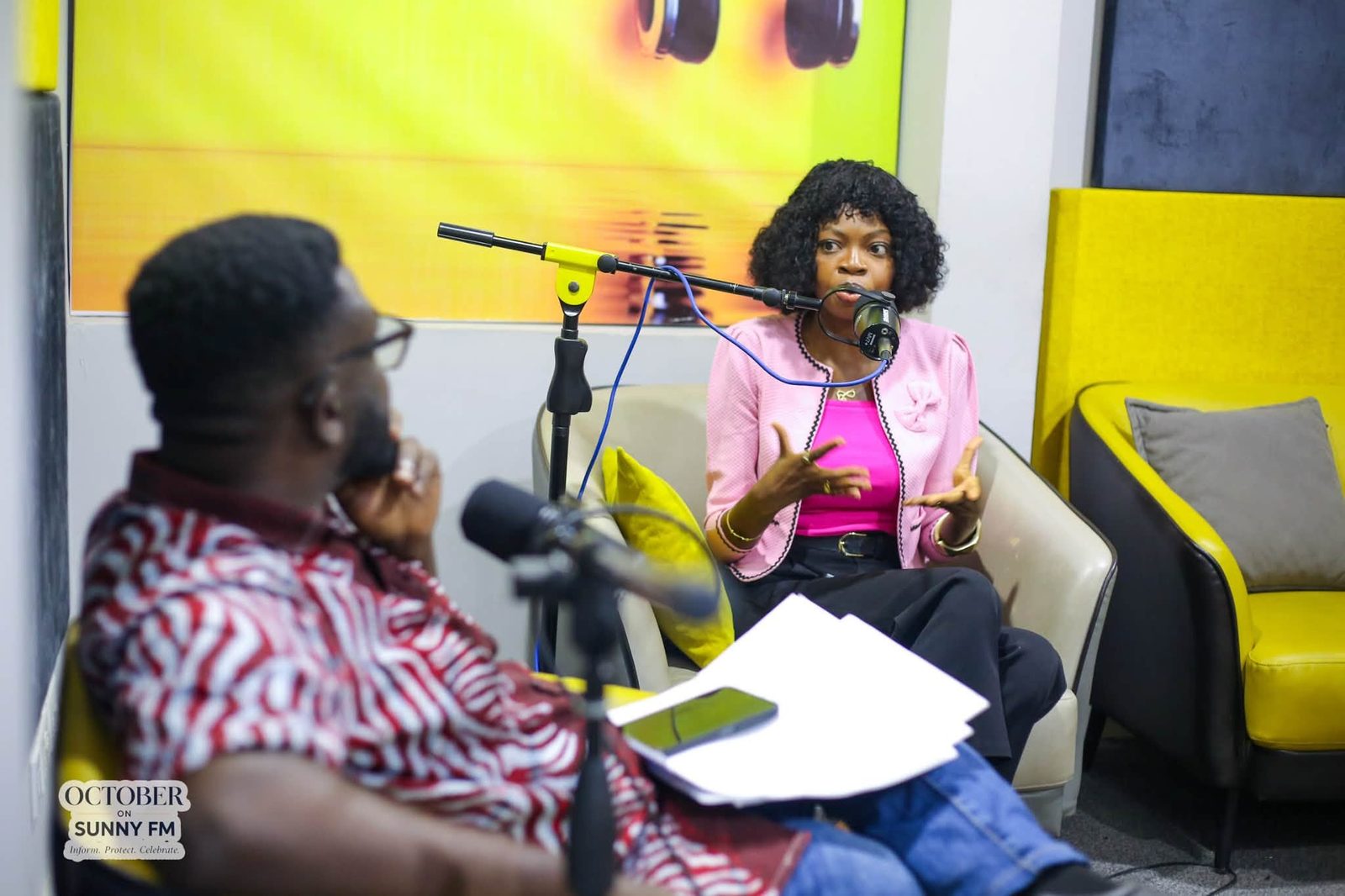
That fear was at the centre of this week's breast cancer conversation on The IM Drive (The Inspirational Morning Drive) with Jennifer and Agyemang on Sunny 88.7 FM. Their guest, Dr. Otuteye, spoke openly about why so many women put off screening, and why waiting is the riskier choice.
Understanding the fear
Dr. Otuteye did not dismiss the anxiety many listeners feel. She acknowledged that the fear of hearing bad news is real and common, and that it quietly keeps many women away from hospitals and screening centres for years.
She also shared that she has felt that fear herself. Earlier this year, she went through a personal health scare of her own, and she spoke about it to show listeners that even doctors know what it is like to wait for answers.
But her message was clear: don't let fear keep you from taking action.

Early detection changes the story
Dr. Otuteye recounted stories of patients who chose to get checked early, and who are doing well today because they did. Their experience, she explained, is a reminder that taking the first step can make all the difference.
When breast cancer is found early, treatment is often simpler and the chances of a good outcome are much higher. When it is found late, the options become harder. Many women in Ghana are still diagnosed at a late stage, often because they waited until something felt seriously wrong before seeking help.
Don't wait for a lump
One of the strongest points from the conversation was this: do not wait until you feel a lump or notice something unusual before you see a health professional. Screening is meant to find problems before they cause symptoms.
That said, every woman should know what is normal for her own body and see a doctor promptly if she notices any of these changes:
- A lump or thickening in the breast or under the arm
- A change in the size or shape of a breast
- Dimpling, puckering or redness of the skin
- A nipple that turns inward, or discharge from the nipple
- Persistent pain in one part of the breast
Most breast changes turn out not to be cancer, but only a proper examination can tell.
How to make breast health a priority
- Get to know your breasts. Check them regularly so you notice changes early.
- Ask for a clinical breast examination when you visit a doctor or health facility.
- Talk to your doctor about screening. They can advise when to start mammograms or other tests based on your age and family history.
- Tell your doctor about family history. If close relatives have had breast or ovarian cancer, you may need to start screening earlier.
- Encourage the women around you. A mother, sister, friend or colleague may be waiting for someone to say, "Let's go together."
This Pink October, Dr. Otuteye's reminder on The IM Drive is one worth passing on: fear is understandable, but it should not make the decision for you. Book that check-up, and make your breast health a priority.
This article is for general awareness and is not a substitute for medical advice. Please speak to a doctor or health professional about your own health.
Catch The IM Drive with Jennifer and Agyemang on Sunny 88.7 FM, or listen live at sunnygh.com.
#BreastCancerAwareness #PinkOctober