
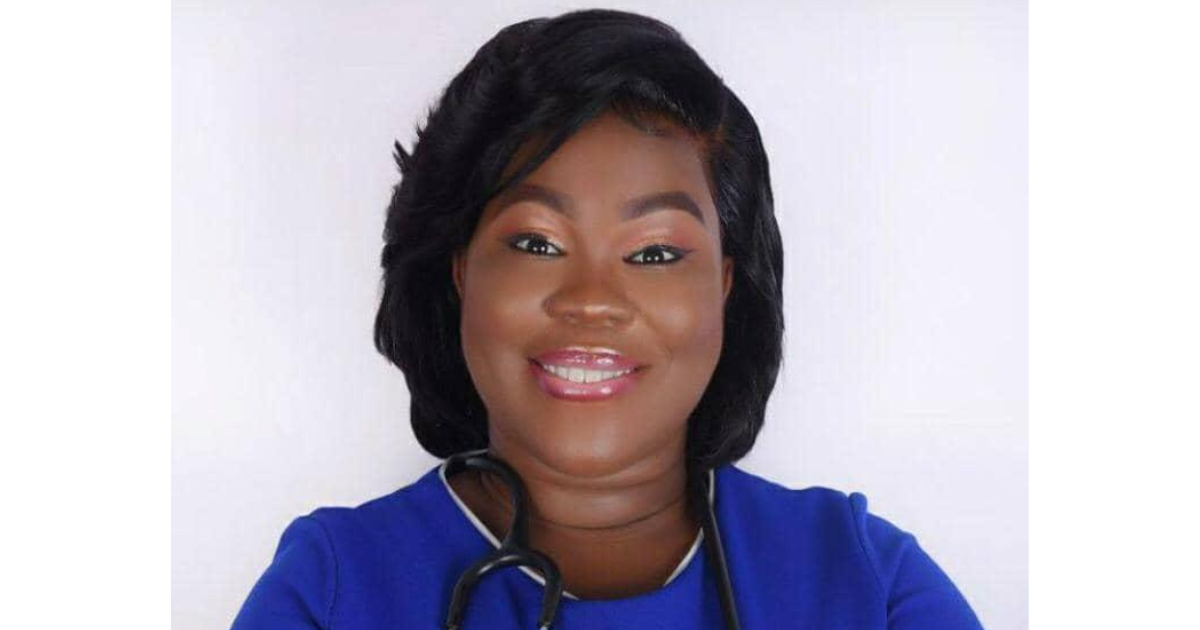
Speaking on Sunny 88.7 FM's Morning Drive with host Jennifer Jessica Danquah (JJD), Dr. Emefa expressed deep concern not only about the destruction caused by the floods but also about the serious public health risks that could emerge in the coming days.
"Apart from the property loss and people being carried away by the floods, from a public health perspective, I'm very concerned about the aftermath. We need to brace ourselves for a surge in foodborne diseases," she said.
Floodwaters Carry Dangerous Contaminants
Dr. Emefa explained that floodwater is far more dangerous than ordinary rainwater because it mixes with sewage, refuse, industrial chemicals, and human waste as it flows through communities.
According to her, these contaminants often settle on vegetables grown in low-lying areas, especially leafy vegetables such as lettuce and cabbage, making them unsafe if not properly cleaned.
She cautioned that roadside food vendors may not always take the necessary precautions to thoroughly wash vegetables or prepare food under hygienic conditions.
"Honestly, this is not a good time to be buying food from outside. You are better off preparing your meals at home and ensuring every precaution is taken," she advised.
Practice Good Hygiene
Dr. Emefa stressed that proper handwashing remains one of the most effective ways to prevent infection during the post-flood period.
She also advised residents who rely on tap water to boil and filter it before drinking, explaining that floodwaters may contaminate water supplies.
Where possible, she recommended using bottled or properly packaged sachet water until conditions improve.
Cholera and Typhoid Risk Increases
The medical practitioner warned that diseases such as cholera and typhoid fever are likely to increase after flooding because of contaminated food and water.
She reminded listeners of previous food poisoning incidents linked to contaminated food and urged the public to avoid eating food that is not served hot.
"Be very mindful of where you buy your food. If the food is not hot, please don't eat it," she cautioned.
She further encouraged people to avoid consuming raw salads and uncooked leafy vegetables unless they are certain the produce has not been exposed to floodwaters and has been properly cleaned.
Expect More Malaria Cases
Beyond foodborne illnesses, Dr. Emefa noted that stagnant pools of water left behind after flooding provide ideal breeding grounds for mosquitoes.
She warned that malaria cases are likely to rise in the coming weeks and encouraged parents to take extra care of young children.
She advised families to:
- Ensure children sleep under insecticide-treated mosquito nets.
- Dress children appropriately at night.
- Prevent children from staying outdoors late into the evening.
Pregnant women were also encouraged to consistently use treated mosquito nets during this period.
Don't Ignore Diarrhoea
Dr. Emefa urged the public not to dismiss symptoms such as diarrhoea, vomiting or severe stomach upset.
She explained that diarrhoeal diseases can quickly lead to dehydration, especially in young children, making early medical attention essential.
"If you or your child develops diarrhoea or vomiting, please don't stay home. Report to the nearest health facility immediately," she advised.
Advice for People Living with Sickle Cell Disease
The doctor also reminded people living with sickle cell disease that the cold and rainy weather increases the risk of sickle cell crises.
She encouraged them to keep warm, stay well hydrated and avoid prolonged exposure to cold conditions.
"I know it's cold and people don't feel like drinking water, but you must make a conscious effort to stay hydrated," she said.
Stay Vigilant
As flood-hit communities begin the clean-up process, Dr. Emifa urged everyone to remain vigilant by practising good hygiene, eating safely prepared meals, drinking clean water and seeking prompt medical care whenever symptoms develop.
Her advice serves as a timely reminder that while floodwaters may eventually recede, the health risks they leave behind can linger much longer if proper precautions are not taken.