
There is a quiet revolution happening in the youth wings of churches across Ghana. Walk into a Sunday service in Accra, Kumasi, or Takoradi this year, and you will notice something different, the energy, the language, the format. Ghana church youth programs 2026 are being shaped by a generation that wants faith to be real, relevant, and relational, not just recited. As pastors, youth leaders, and parents look ahead, understanding these shifts matters for anyone who cares about the next generation of believers.
From Attendance to Engagement
For years, success in youth ministry was measured by numbers in the pews. That metric is changing. Churches are now asking deeper questions: Are young people actually encountering God? Are they being discipled, not just entertained? This shift toward engagement over attendance is visible in the rise of small-group discipleship models, mentorship pairings, and youth-led Bible studies that meet in homes, cafés, and even WhatsApp groups.
Initiatives like the Youth Alpha Leaders Training reflect this movement — equipping young leaders not just to run programs, but to walk alongside their peers in genuine spiritual conversation. It's a model built on relationship, not routine, and it's proving far more sustainable than the old "event-only" approach to youth church.
Worship as a Youth Movement
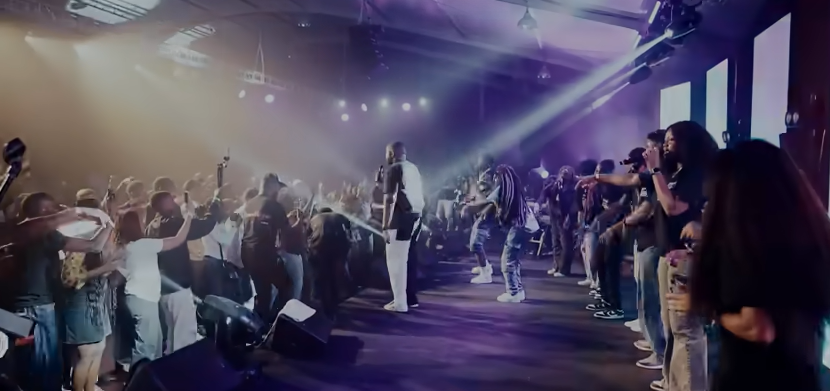
One of the clearest trends this year is the explosion of youth-driven worship experiences. Gone are the days when worship was seen as something led only by seasoned adults. Across Ghana, young worshippers are stepping into leadership roles writing songs, leading prayer sessions, and organizing gatherings that draw hundreds of their peers.
As captured beautifully in THE PRAISE ROOM: A Generation Rises to Worship, there is a growing hunger among Ghanaian youth for unfiltered, Spirit-led praise — not performance, but genuine encounter. Churches that are thriving in youth ministry today are the ones making room for this rising generation to lead, not just participate.
This worship wave is also connected to Ghana's booming gospel music scene, which continues to shape how young people express their faith. Many congregations are drawing inspiration from the rising voices highlighted in Gospel Music Ghana 2026, using contemporary sounds to make worship feel like home for teenagers and young adults who might otherwise feel disconnected from traditional hymnody.
Digital Discipleship Meets Physical Community
Ghana's youth are digital natives, and church leaders are learning to meet them where they are; on their phones, in group chats, and on social media , without losing the irreplaceable value of physical fellowship. Youth programs in 2026 are increasingly hybrid: a devotional shared on WhatsApp in the morning, a Bible study clip on TikTok in the afternoon, followed by an in-person cell meeting in the evening.
This blended approach requires wisdom, especially as families navigate how much screen time is healthy for young believers. As explored in our guide on raising godly children in a digital age, the goal isn't to reject technology but to redeem it — using digital tools to deepen faith rather than distract from it. Churches that train youth leaders to disciple wisely both online and offline are seeing stronger, more resilient youth communities.
A Return to the Holy Spirit's Place in Youth Ministry
Another notable trend is a renewed emphasis on the Holy Spirit's active role in youth gatherings not as a theological topic reserved for adult sermons, but as a lived, expected reality for young believers. Reverend Steve Mensah's candid reflections in the piece "We've Put the Holy Spirit in a Box" resonate strongly with youth leaders who feel that programs alone cannot transform a generation — only genuine encounters with God can.
This has led many churches to restructure youth services around extended prayer, testimony sharing, and space for the Holy Spirit to move, rather than tightly scripted agendas. Young people, it turns out, are far more drawn to authenticity and spiritual depth than to polished production alone.
Mentorship Over Mass Programming
Ghanaian youth ministry is also seeing a shift away from one-size-fits-all mass programming toward personalized mentorship. Large youth conferences and camps still have their place, but churches are increasingly investing in one-on-one or small-group mentorship structures that address real struggles — academic pressure, relationships, identity, and mental health.
This mirrors broader conversations happening in Christian counseling circles, such as those raised in how to overcome anxiety as a Christian, which many youth pastors are now incorporating into their teaching. Young people today are more open about mental health struggles than previous generations, and churches that create safe, non-judgmental spaces for these conversations are seeing deeper trust and engagement.
Practical Discipleship for Everyday Life
A defining feature of 2026's youth ministry landscape is the move toward practical, everyday discipleship. Rather than confining faith to Sunday services, churches are teaching young people that faith is not just for Sundays a truth beautifully unpacked in our reflection on everyday faith. Youth programs now include workshops on financial stewardship, career guidance rooted in biblical principles, and conversations about relationships and purity that go beyond simple prohibitions to explore the heart behind godly living.
Global resources are also playing a role. Initiatives like the free discipleship series launched through Lausanne's Everyday Faith, Global Purpose are being adopted by youth leaders across Ghana looking to supplement local teaching with globally-minded discipleship content, connecting Ghanaian youth to a worldwide movement of young believers pursuing Christ.
Community-Centered Outreach
Finally, Ghanaian youth in 2026 are showing a strong desire to serve, not just be served. Church youth groups are increasingly organizing community outreach from clean water projects to disaster relief support as tangible expressions of their faith. This spirit of service echoes efforts like the Darbaa Borehole Project, which shows young Ghanaians that living out the gospel means meeting real, physical needs in their communities.
This outward focus is proving to be one of the most powerful engagement tools available to churches. Youth who serve together tend to stay together, and mission trips or local outreach projects are becoming as central to youth calendars as Bible studies and worship nights.
Looking Ahead
As 2026 unfolds, it's clear that Ghana's church youth programs are moving away from rigid, top-down structures toward something more organic worship led by the young, discipleship built on relationship, and outreach rooted in genuine love for neighbor. For parents, pastors, and youth leaders, the invitation is simple: create space for young people to encounter God authentically, lead boldly, and serve their communities with joy.
The church in Ghana has always been a place where generations meet and if these trends continue, the next chapter of Ghanaian Christianity may well be written by the very young people we are discipling today. As Scripture reminds us in 1 Timothy 4:12, "Let no one despise your youth, but set the believers an example." Ghana's youth are rising to that call — and the church is wise to make room.