
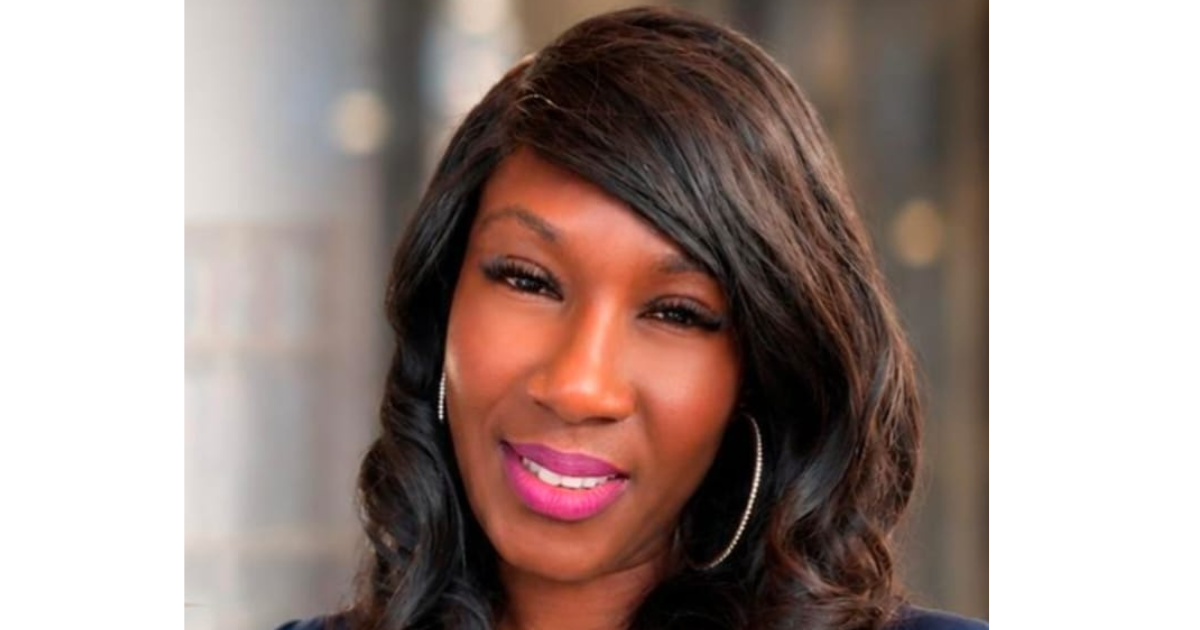
Accra, Ghana – Many Ghanaian children struggling to read aren't lacking ability they're simply missing a foundational step that comes before letters and print altogether, according to literacy educator Anita S. Whyte, EdS.
Speaking on Sunny 88.7 FM's Inspirational Morning Drive ahead of a one-day training she's leading in Accra, Whyte a Ghanaian-born literacy coach, instructional coach and professional learning facilitator with more than 20 years of experience, now based in Atlanta, Georgia said the training will focus on phonological awareness, a skill she says is routinely skipped in classrooms.
"Kids, even from the stomach, they listen to sound. They hear sound first. So when they are able to hear the sound and manipulate sound, then you can add print."
Phonological Awareness Isn't Phonics; Here's the Difference
Whyte, who runs the Whyte Literacy Institute, said most people confuse phonological awareness with phonics but they're not the same thing.
"Phonological awareness has nothing to do with print it's the ability to hear sound in spoken word," she explained. "A paragraph is made of sentences, sentences are made of words, and words are made of sound. Phonics is when you show print and associate that print to sound. This training is all about listening to and manipulating sound in spoken word before print ever comes in."
She said children are typically shown letters "A is for Apple," uppercase and lowercase almost immediately when they start school, without first building the underlying ability to hear and play with sounds on their own.
A Second-Grader Who Couldn't Read a Single Word
Whyte shared the story of a second-grade student who arrived in her class in the United States years ago unable to read anything at all including his own name.
"He said, 'I know a sight word.' I said, 'What word is that?' He said, 'I.' I said, 'Baby, I is I' that's just the name of the letter," she recalled.
Rather than starting with letters, Whyte began with sound alone animal noises, then the sounds of the alphabet, with no print in sight. Only once he could hear and manipulate those sounds did she introduce the printed letters.
"It wasn't long before he was reading. When I saw his scores, I was tearing up," she said. "We started from the foundation he could hear the sound, and he could manipulate the sound."
Why "L" and "R" Sounds Trip Up So Many Children
Whyte pointed to a common classroom pattern: children shown the word "blend" who read it back as "bend," skipping the "L" sound entirely.
"It's hard for kids to see and read certain letters like L and R because they haven't been trained to hear every single sound in the word," she said. "Showing them the letter doesn't always click with hearing the sound. It's sound manipulation and teachers often jump straight to print without realising that's the gap."
One Mistake Whyte Sees Often: Teaching Long and Short Vowels Together
Whyte flagged a specific classroom error she's seen recently introducing long and short vowel sounds to children at the same time.
"Long vowels don't just happen, they happen in situations like a silent 'E' making a vowel say its own name," she said. "When kids are starting out, leave the long vowels alone. Let them master the short sounds first, before introducing things like the silent E."
Who the Training Is For
The training is designed for pre-school and elementary school teachers, school leaders, and parents alike including parents of very young children, or even children not yet born.
"If you're pregnant, you can start teaching your child to listen to sound and manipulate sound before they even come out of the womb," Whyte said, noting her own children learned to read early through the same approach sometimes to the frustration of their pre-K teachers.
Participants won't just be lectured to. "We're going to be doing what we're supposed to be doing in the classroom," Whyte said. Attendees will practice every phonological awareness skill in sequence and leave with a full lesson written for each one, ready to use immediately.
Event Details
- What: Phonological Awareness Training, led by Anita S. Whyte, EdS.
- When: Friday, July 17, 10:00am – 2:00pm
- Where: Sunny FM, Dan Peters Memorial Hall, Kanda, Accra
- Register: thewhyteacademy.com or call 024 562 1346
Whyte previously trained teachers at International Community School in Accra and Kumasi. She returns to Ghana next year for a follow-up training covering reading, phonics and writing.